Fall in Southwest Florida is a reset, not a shutdown
In Southwest Florida, fall does not mean putting the landscape to bed. Warm temperatures continue, the rainy season begins to ease and homeowners get a chance to reset lawns, beds and outdoor spaces after a long summer.
Late September is a useful time to inspect what worked, fix what did not and prepare for the drier months ahead. Here are seven practical places to start.
1. Inspect your irrigation system
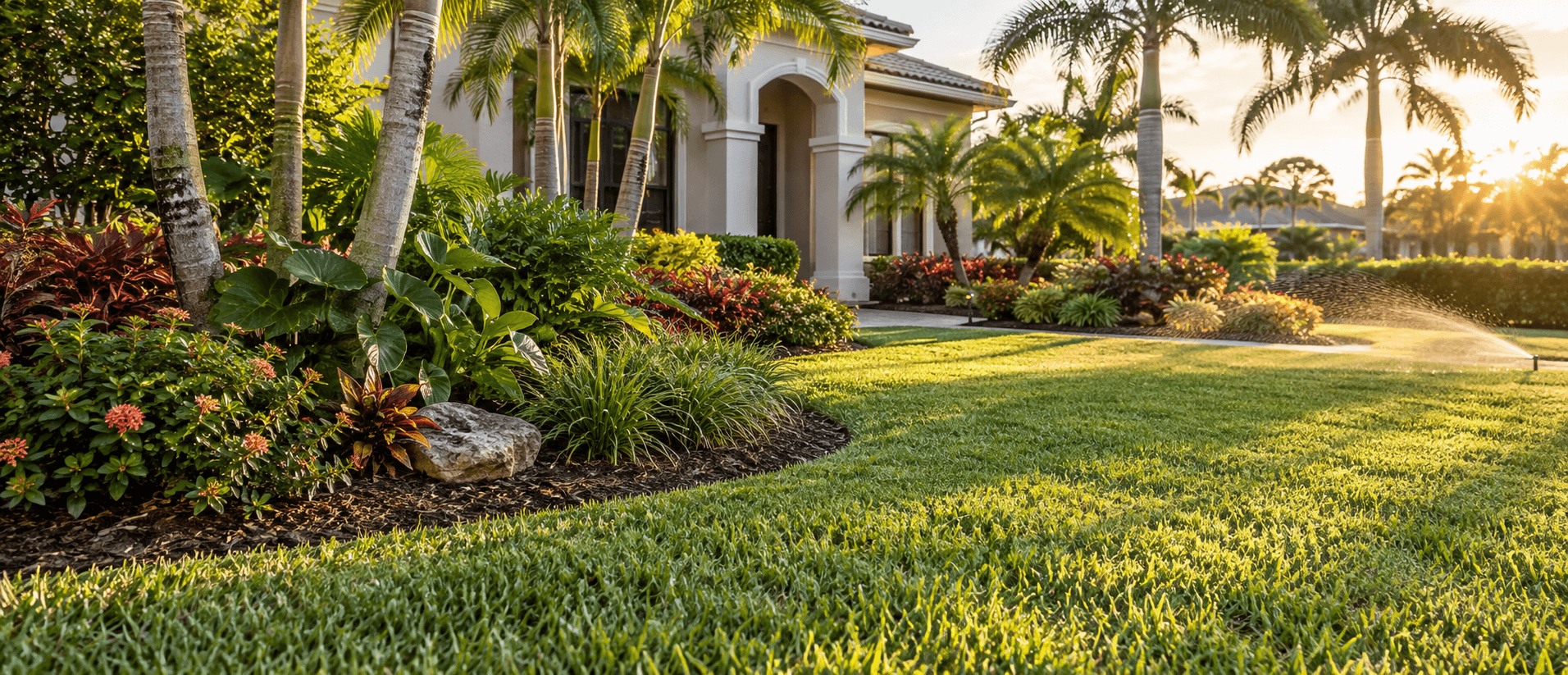
Rain can hide irrigation problems. As natural rainfall decreases, broken heads, clogged nozzles and poor coverage become easier to see - often after plants or turf are already stressed. Run each zone, look for leaks and overspray, and make sure water is reaching the root zones rather than the driveway.
2. Adjust watering as rainfall changes
Do not keep irrigating on a wet-season schedule just because the controller is programmed that way. Established plants and lawns should be watered based on need and local watering rules. Too much water can be just as damaging as too little, especially in areas with poor drainage.
3. Get ready for the October 1 fertilizer window
Many Southwest Florida communities use rainy-season fertilizer restrictions that run through September 30. Where your local ordinance allows fertilizer applications again beginning October 1, late September is the time to prepare.
Check the lawn and landscape first. Decide what actually needs nutrients, select an appropriate product and follow the label. Local rules can differ, so confirm the ordinance for your property before applying fertilizer. Avoid applying before heavy rain and keep fertilizer off pavement and out of waterways.
4. Refresh tired beds
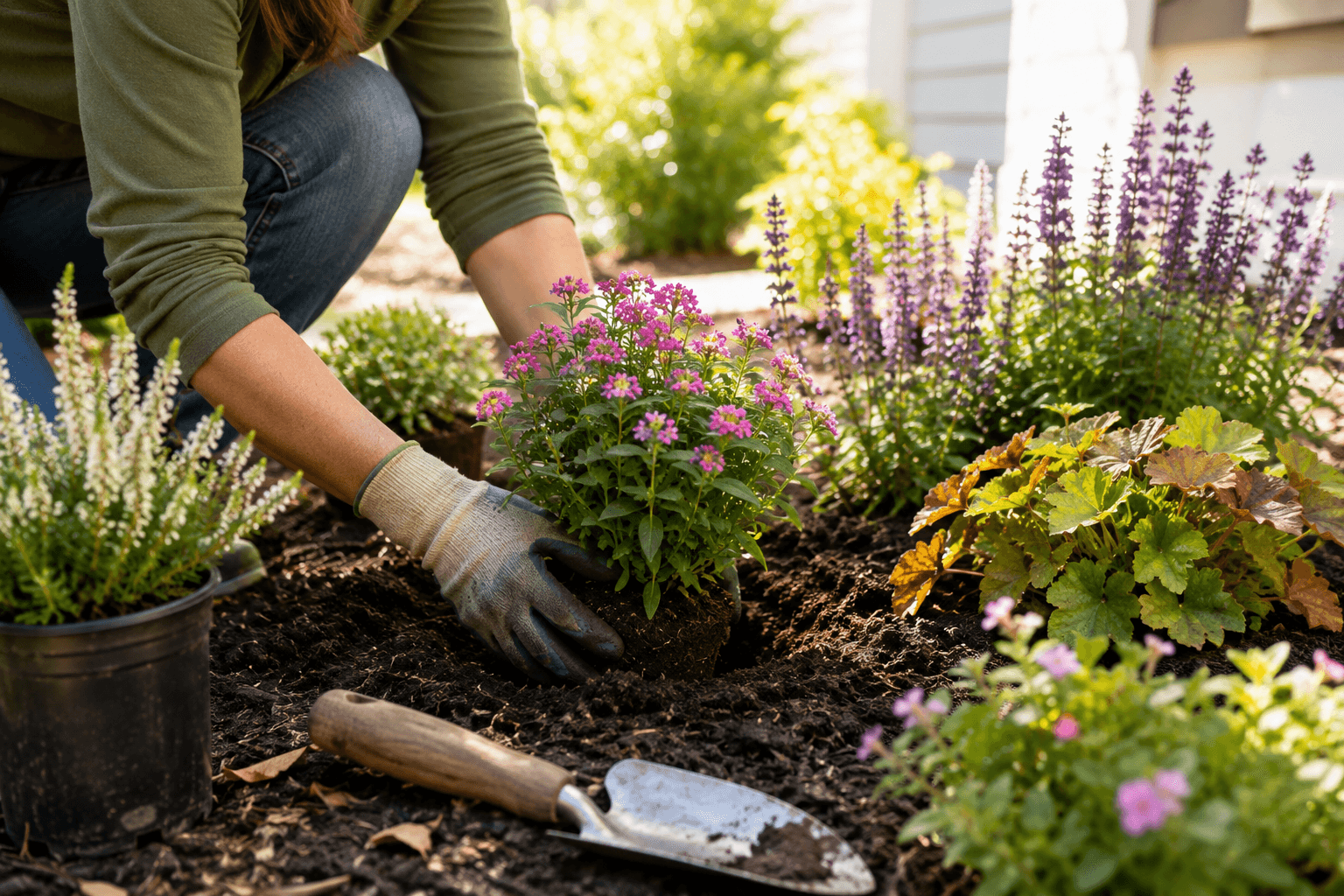
Summer heat and rain can leave landscape beds thin or overgrown. Remove declining annuals, prune only where appropriate, clean up weeds and consider adding plants that fit the site's sunlight, drainage and mature size.
UF/IFAS notes that September opens additional planting opportunities in South Florida, including warm-season herbs and colorful annuals and perennials. Choosing plants suited to the site is one of the easiest ways to reduce future maintenance.
5. Check mulch depth
Mulch helps conserve moisture, moderate soil temperature and reduce weeds, but more is not always better. Pull mulch away from trunks and stems instead of piling it against the plant. If the existing layer is still adequate, fluffing and redistributing it may be better than adding another thick layer.
6. Look for lawn problems before treating them
A brown patch does not automatically mean the lawn needs fertilizer. Chinch bugs, disease, irrigation problems, shade and root stress can all create discoloration. Identify the cause before choosing a treatment. If you are unsure, get help rather than treating by guesswork.
7. Plan fall projects now
Fall is a good time to look at the entire property. Are there beds you want to redesign? Areas that need new sod? Irrigation zones that should be updated? Trees or shrubs that are outgrowing their spaces? Making a prioritized list now helps you tackle projects in a logical order instead of making isolated changes.
Need help getting the landscape ready?
A healthy landscape comes from matching the right plants, sod, irrigation and maintenance practices to the property. Whether you are refreshing a garden bed, repairing the lawn or planning a larger landscape project, fall is a good time to get the work organized before the busiest winter and spring months arrive.