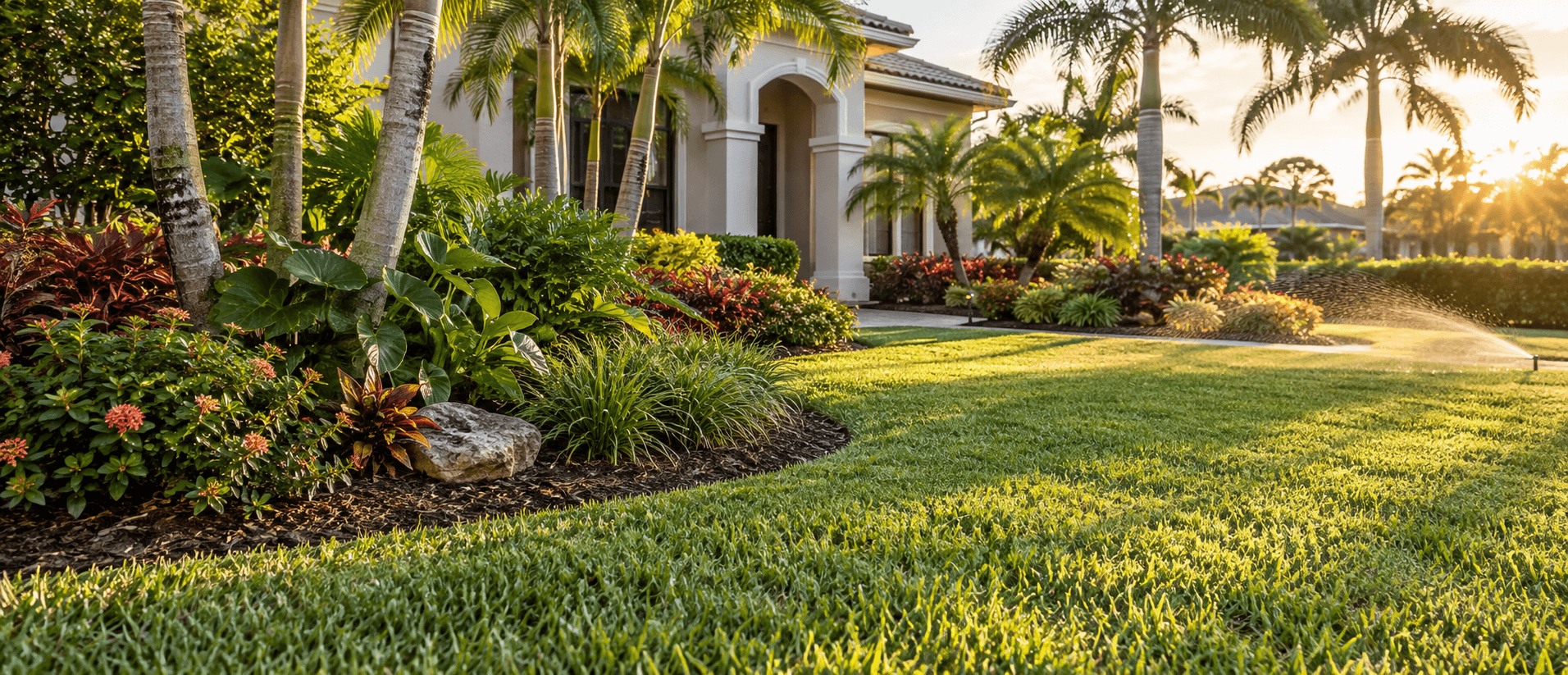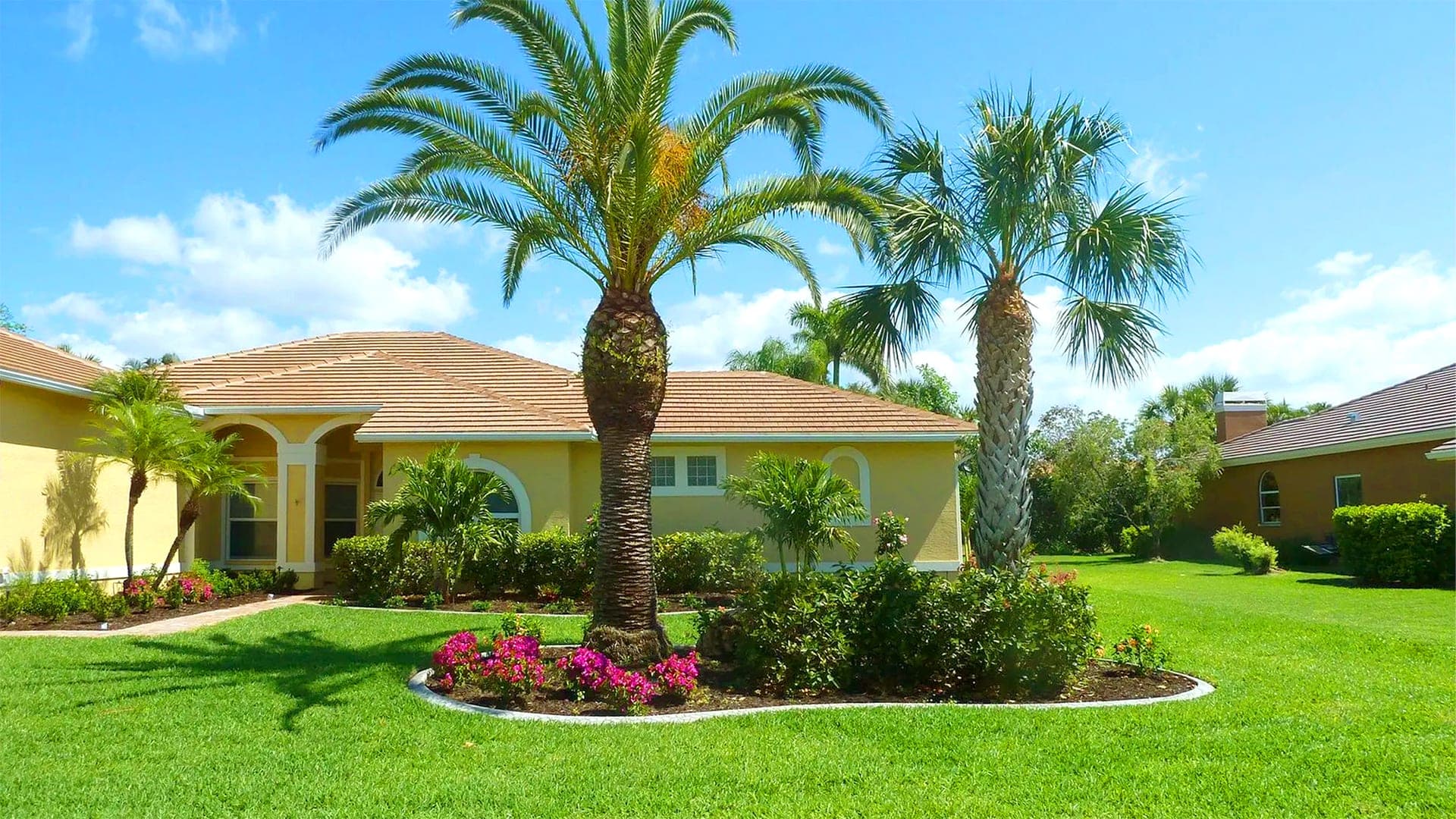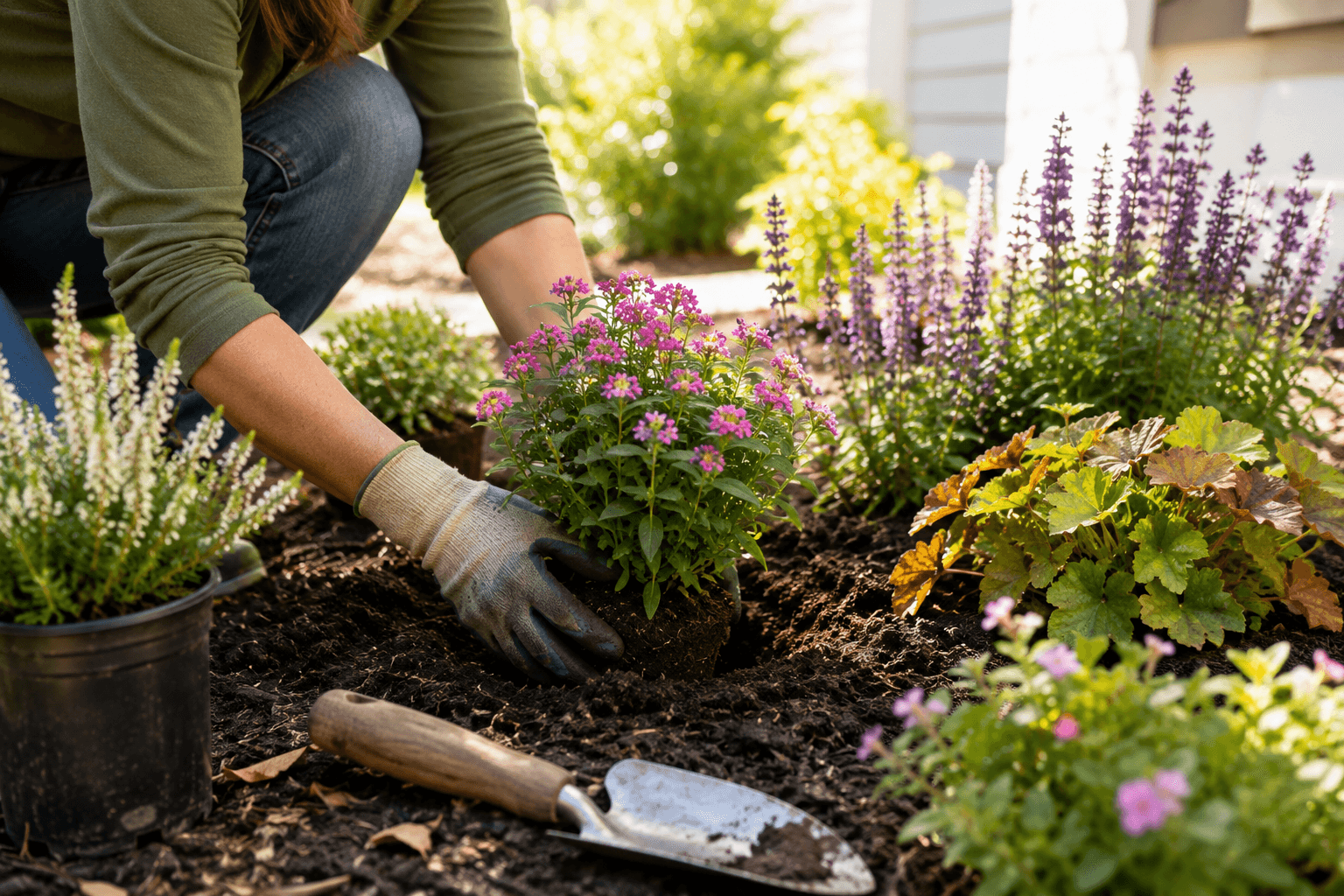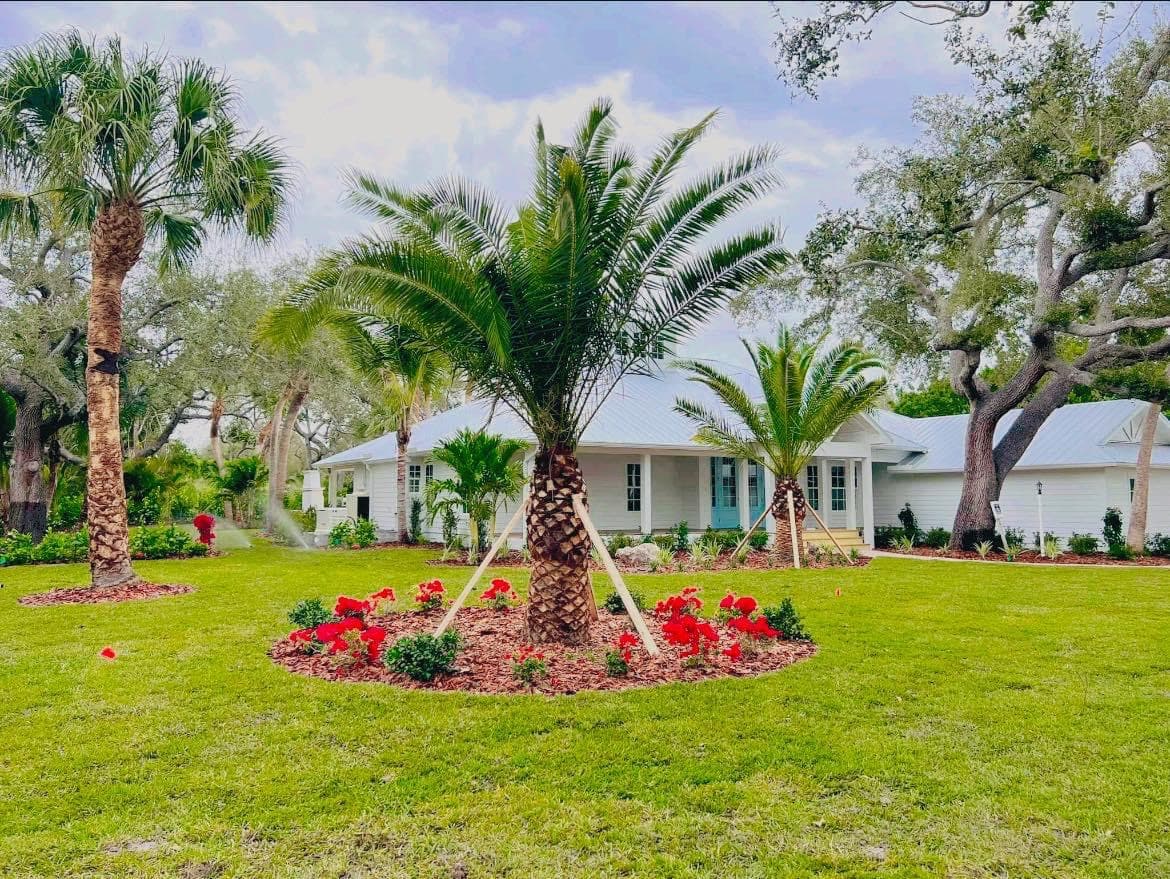
Spring lawn care in Cape Coral does not look like spring lawn care anywhere north of I-4. By February, our lawns are already waking up. By April, full growth is underway. By May, you are mowing weekly and watching for the first chinch-bug damage. The whole sequence happens about six weeks earlier than the rest of the country, and the work has to follow that rhythm. We maintain hundreds of Lee County lawns and the spring playbook is consistent year over year.
February: Cleanup and Inspection
Late winter is when you assess what needs work. Cool nights still slow growth, so this is the right window to do anything that disrupts the lawn surface.
Rake out winter leaf debris and dead grass thatch
Inspect for signs of cold damage (yellow patches in low-lying spots that frosted hardest)
Hand-pull or spot-treat winter weeds (chickweed, henbit) before they seed
Sharpen mower blades; dull blades shred grass and cause disease
Check irrigation by running each zone manually; replace any broken heads
March: First Mow and Pre-Emergent
By early March, soil temperatures hit the 65-70 °F range and growth resumes. The first real mowing of the year usually happens mid-March in Cape Coral, slightly later inland.
Mowing Heights
Mow at the right height for your grass type. St. Augustine: 3.5 to 4 inches. Bahia: 3.5 to 4 inches. Empire Zoysia: 1.5 to 2.5 inches. Bermuda: 0.75 to 1.5 inches. Mowing too short stresses turf and lets weeds in. Florida lawns benefit from being mowed taller than most homeowners assume.
Pre-Emergent Herbicide
A pre-emergent applied in early to mid-March stops summer annual weeds (crabgrass, goosegrass) before they germinate. Timing is critical: too early and the product breaks down before weeds emerge; too late and the weeds are already up.
April: First Fertilization
Lee County’s fertilizer ordinance restricts certain applications during summer rainy season, so spring is when most of the year’s feeding happens. The first feeding should be a balanced slow-release product (typically 16-0-8 or similar with micronutrients) applied after grass is actively growing, usually early to mid-April.
St. Augustine and Bahia have different nitrogen needs. St. Augustine thrives on consistent moderate feeding; Bahia tolerates leaner schedules. Both benefit from iron supplementation in our sandy soils. We integrate spring fertilization with our pest and fertilization program on most properties.
May: Pest Watch Begins
By May, soil and air temperatures are in the 80s, the lawn is in full growth, and the first chinch bug nymphs are emerging in St. Augustine. Inspect weekly through May and June for early signs of pest damage. Early treatment costs roughly a quarter of what reactive treatment costs once full damage shows up. See our summer pest control guide for the full pest playbook.
Watering Through Spring
Lee County restricts residential watering to two days per week, with allowed hours between specific windows. Even-numbered addresses water on certain days; odd-numbered on others. Check your county's current restrictions. Our smart-controller installs automatically follow restriction calendars and weather data to avoid waste and citations.
Spring watering should be deep but infrequent. Overhead irrigation should run long enough to wet the top 4-6 inches of soil per cycle, then not run again for 3-4 days. Frequent shallow watering encourages shallow roots that fail in summer heat.
Common Spring Problems
Brown patch fungus on St. Augustine in cool wet weather (March-April)
Dollar spot on closely-mown grasses in damp mornings
Take-all root rot in over-watered St. Augustine
Crabgrass and goosegrass in any pre-emergent gaps
Mole cricket damage starting late April in Bahia and Bermuda
Frequently Asked Questions
When should I do my first fertilization in Cape Coral?
How short should I cut my St. Augustine lawn?
Do I need to dethatch a Florida lawn?
When is the best time to install new sod in Cape Coral?
Should I aerate my lawn?
Bottom Line
Spring lawn care in SWFL is mostly about timing. Do the right things in February (cleanup), March (first mow + pre-emergent), April (first fertilization), and May (pest watch), and you set up the lawn for a six-month growing season with minimal stress. Skip a step or get the timing wrong and you spend the rest of the year playing catch-up.
Key Takeaways
February: cleanup, inspection, irrigation check, sharpen blades
March: first mow at the right height, pre-emergent herbicide application
April: first balanced fertilization once active growth resumes
May: weekly inspection for chinch bugs, sod webworms, and mole crickets
Lee County's two-day-per-week watering rules apply year-round; smart controllers help