
Loading…
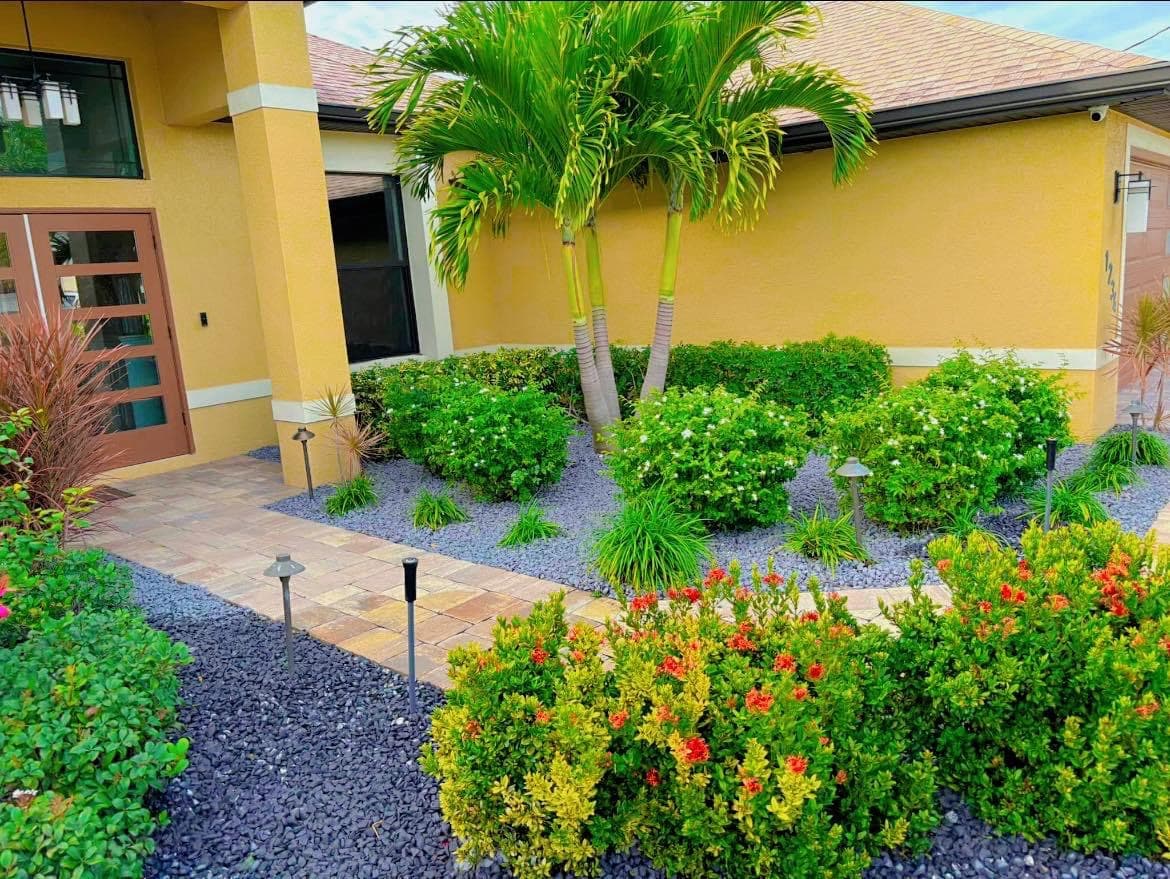
Cape Coral’s warm climate, canal-front humidity, and sandy soil create ideal conditions for mosquitoes, chinch bugs, ants, and other persistent pests. Our pest and mosquito control services are built specifically for Cape Coral properties, helping homeowners protect their lawns, landscaping, and outdoor spaces year-round.
Cape Coral pest pressure stays active year-round thanks to canal-front humidity, warm temperatures, sandy soil, and dense residential development. These conditions allow chinch bugs, fire ants, mosquitoes, sod webworms, and fungal lawn disease to thrive throughout Southwest Florida’s long growing season.
Our Cape Coral pest and mosquito control programs are built specifically for local properties, with treatments timed around seasonal pest activity, rainfall, irrigation schedules, and moisture-heavy areas where pests are most active. By combining preventative lawn treatments with targeted mosquito control, we help homeowners protect their lawns, landscaping, and outdoor spaces year-round.
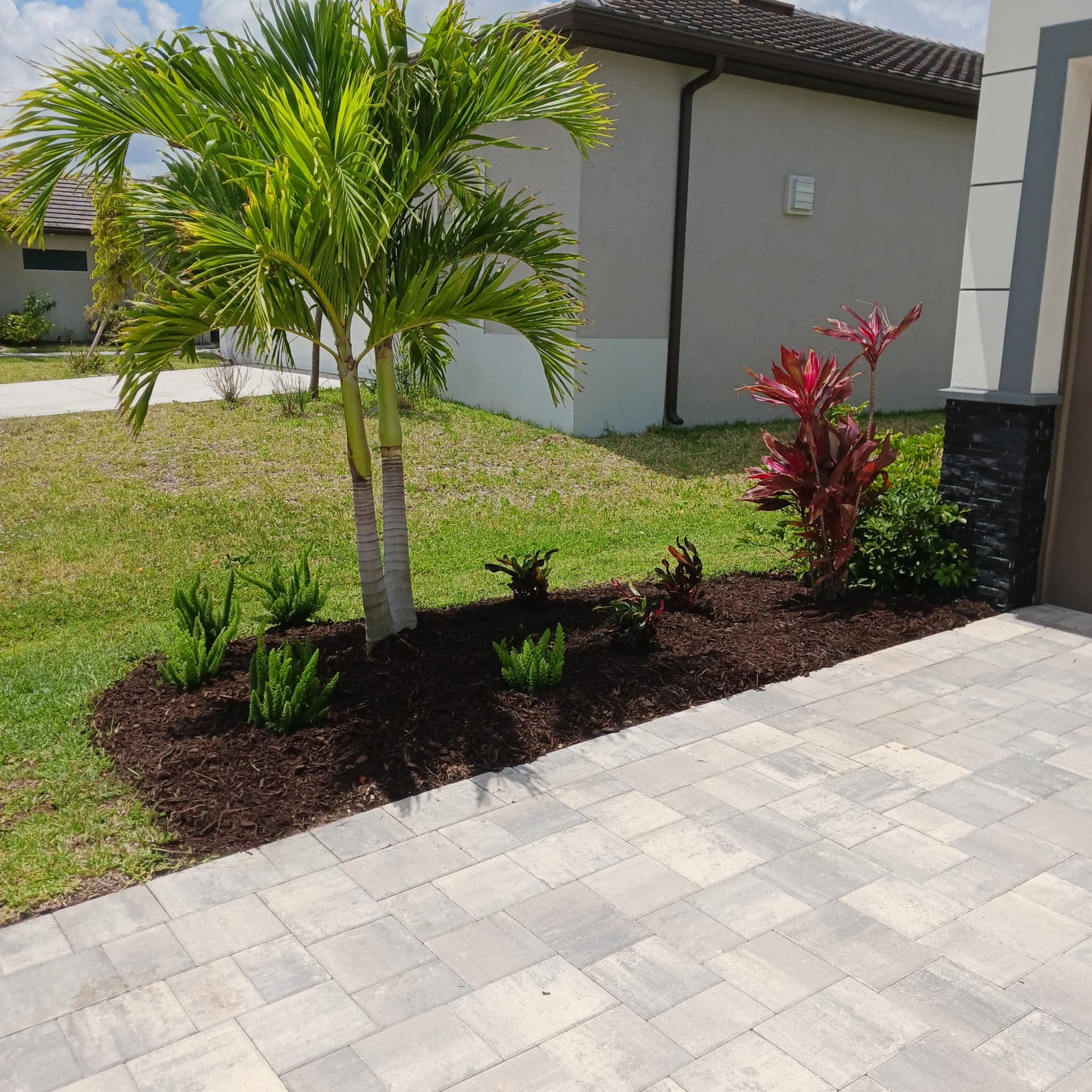

Cape Coral pest pressure is among the highest in Lee County. The combination of canal water, year-round warmth, and tight lot spacing keeps chinch bugs, mosquitoes, fire ants, and fungal disease active 12 months a year. Our Cape Coral treatments run on a real Florida calendar and adjust for canal-front vs interior lots, salt-air exposure, and the city's pet population.
The St. Augustine chinch bug problem that hits Cape Coral every summer. We have a treatment cycle that catches it before damage shows.
Treatments and re-entry windows chosen for Cape Coral's pet and family-heavy demographics.
Canal-edge and yard-perimeter fogging on a 14 to 21 day rotation through mosquito season.
Targeted bait plus perimeter spray on a quarterly schedule.
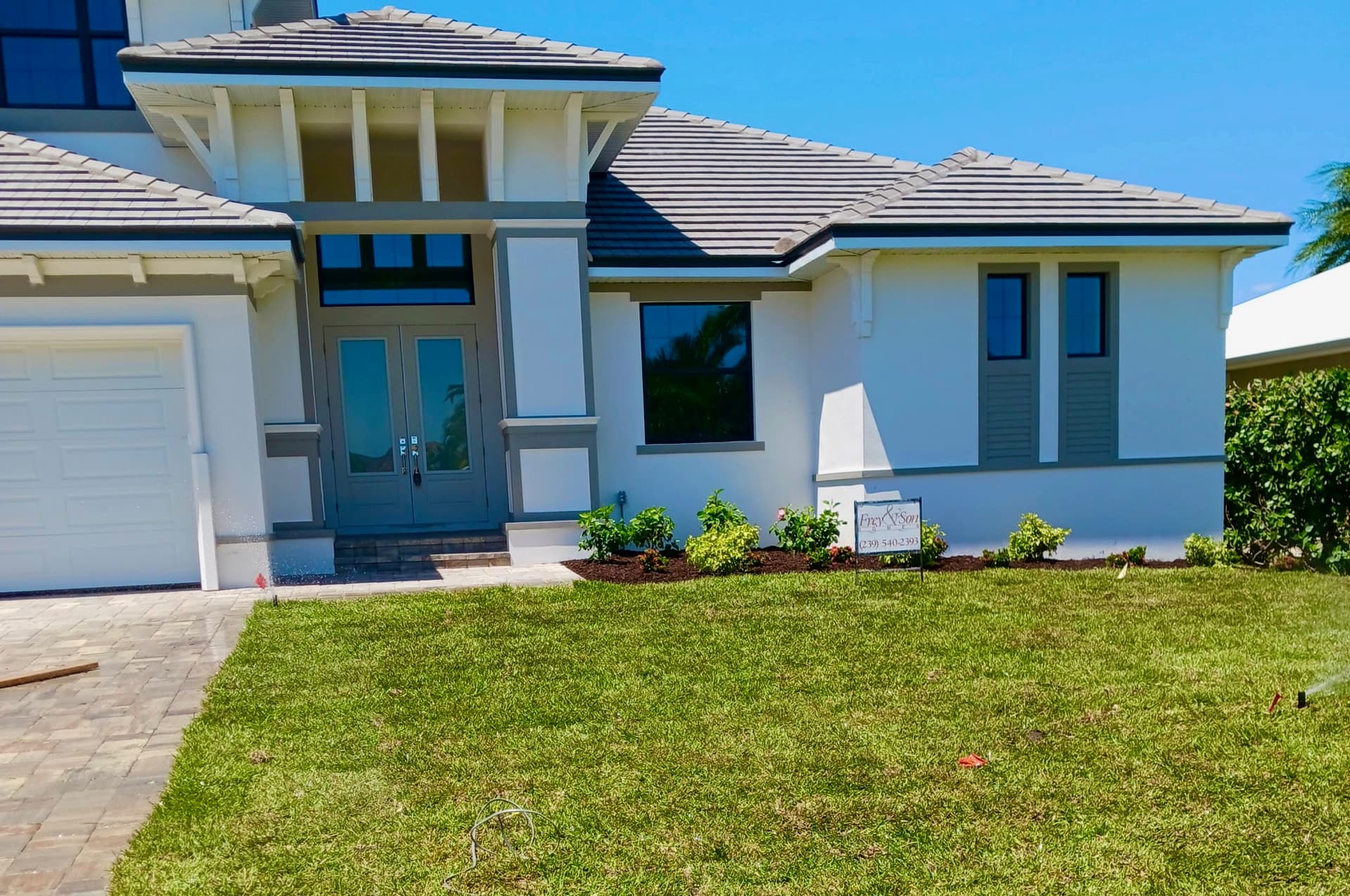
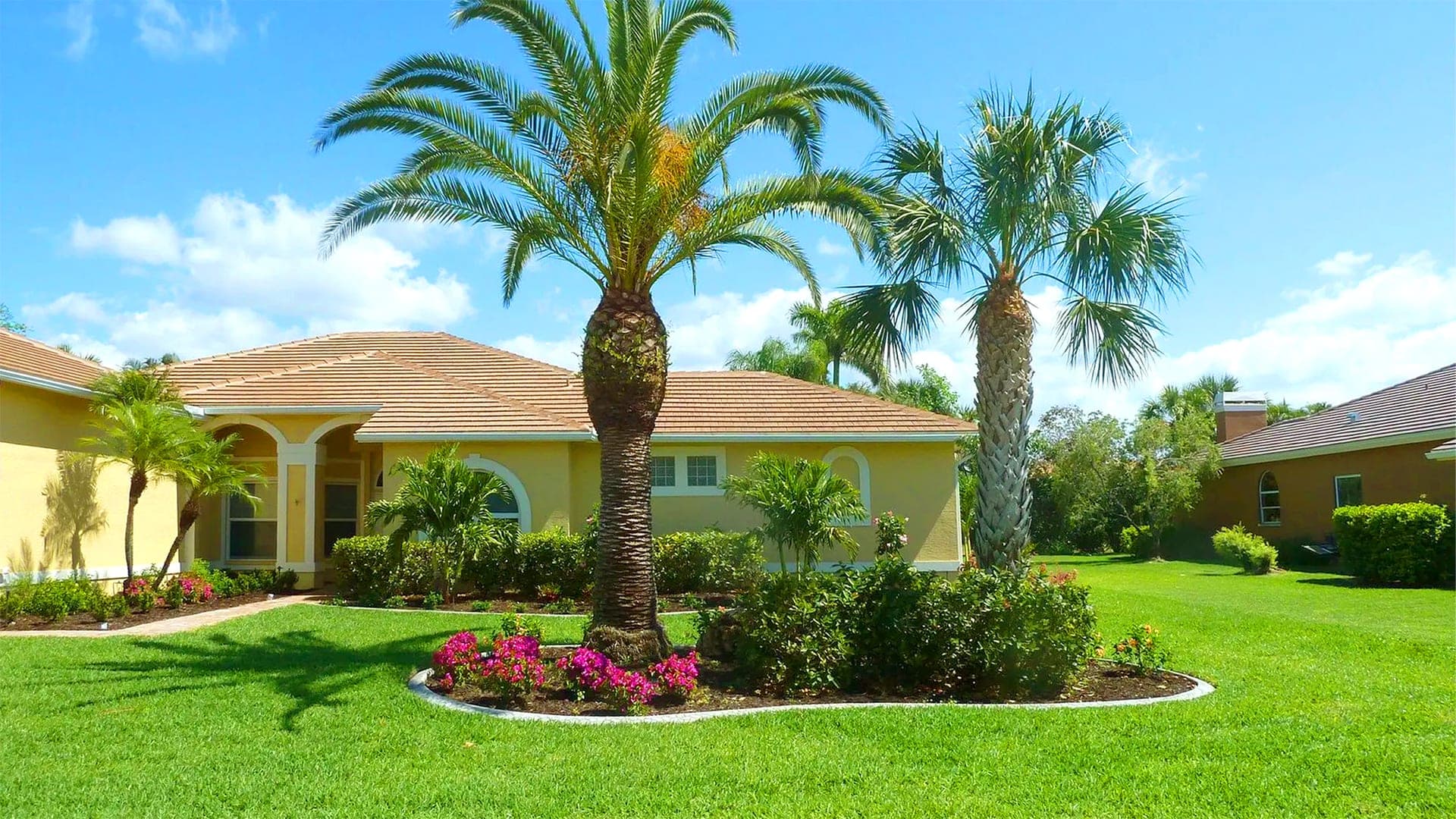
With proactive treatments, targeted mosquito control, and lawn-specific pest management, we help Cape Coral homeowners protect their grass, landscaping, and outdoor spaces throughout every season.
Our standard preventative program runs quarterly. That catches chinch bugs, sod webworms, mole crickets, and fire ants before they build to damaging populations.
