Loading…
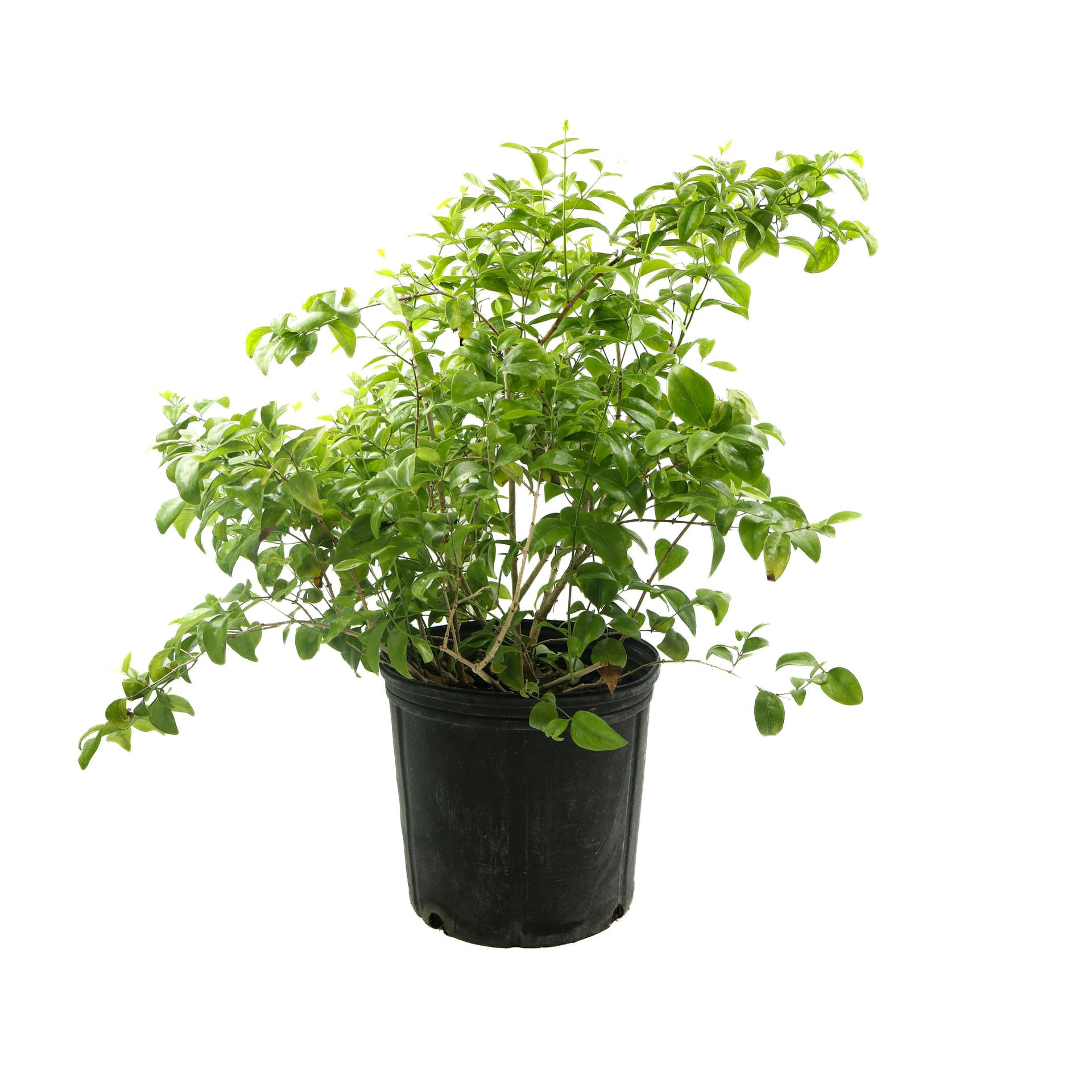
Perennial Peanut is a flowering groundcover with yellow blooms and dense green foliage. Ideal for sunny lawn alternatives, slopes, and landscape beds.
| Mature Height: | 6-12 in. |
|---|---|
| Mature Width: | Spreads 2-4 ft. |
| Sunlight: | Full Sun (6-8+ Hours) |
| Water Needs: | Low |
| Growth Rate: | Fast |
| Botanical Name: | Arachis glabrata |
| Grows Well In Zones: | USDA Zones: 8-11 |
Perennial Peanut – Low-Maintenance Groundcover with Yellow Flowers
Spreads to cover sunny planting areas while requiring little mowing or fertilizer. Suitable for lawn alternatives, slopes, and drought-tolerant landscapes.
Perennial Peanut is a low-growing groundcover known for its dense green foliage and small, bright yellow flowers. Its spreading growth creates continuous ground coverage while requiring little mowing and minimalfertilizer. In Southwest Florida, it is commonly used as a lawn alternative, on sunny slopes, in large landscape beds, and in drought-tolerant plantings.Botanically known as Arachis glabrata, it is a warm-season perenniallegume that spreads through underground rhizomes. Ornamental groundcover varieties typically grow 4–12 inches tall and spread several feet wide as they establish. Its dense green foliage gradually forms a continuous groundcover that helps reduce exposed soil and limit weed growth.
This plant grows best in full sun and prefers well-drained sandy soil. At least six hours of direct sunlight daily supports dense growth and stronger flowering. Perennial Peanut adapts well to Southwest Florida's sandy soils and warm climate, making it suitable for sunny landscape areas where traditional turfgrass requires more maintenance.
Perennial Peanut spreads steadily through underground rhizomes and generally requires little mowing. Occasional mowing can maintain a more uniform height when desired, while edging helps keep growth withindesignated planting areas. Established plants usually do not require nitrogen fertilizer, althoughsoil testing can identify other nutrient needs. Frost may temporarily brown the foliage, but established plants generallyregrow from their underground rhizomes when warm weather returns.
For groundcover plantings, space Perennial Peanut approximately 12–18 inches apart for faster coverage or 18–24 inches apart when allowing more time for plants to spread. Its underground rhizomes gradually fill openspaces between plants. It works well in large landscape beds, on gentle slopes, and in low-traffic lawn replacement areas.
Newly planted Perennial Peanut requires regular watering while its roots and rhizomes become established. Mature plants tolerate extended dry periods and generally need less supplemental irrigation than traditionalturfgrass. Occasional deep watering during prolonged drought helps maintain green foliage and flower production. Avoid locations where water remains standing for extended periods.
Perennial Peanut produces small, bright yellow flowers above its green foliage throughout warm weather. Flowering is generally strongest in full sun, with repeated blooms during favorable growing conditions. As alegume, Perennial Peanut forms a relationship with beneficial soil bacteria that allows it to fix atmospheric nitrogen, reducing the need for nitrogen fertilizer.
Why You'll Love It
Low-Maintenance Lawn Alternative: Forms a dense, low-growing groundcover that requires little to no routine mowing, making it suitable for sunny areas where traditional turfgrass is not preferred.
Bright Yellow Flowers: Produces small yellow blooms repeatedly throughout warm weather, adding seasonal color across the groundcover.
Naturally Improves Soil: As a nitrogen-fixing legume, Perennial Peanut works with beneficial soil bacteria to obtain nitrogen, reducing the need for nitrogen fertilizer.
Drought-Tolerant Ground Coverage: Established plants develop extensive roots and underground rhizomes that support growth during dry periods and help cover exposed soil.
Sun Requirements: Grows best in full sun, with at least six hours of direct sunlight daily supporting dense coverage and abundant flowering.
Water Needs: Requires regular watering during establishment. Mature plants tolerate dry periods and generally need supplemental irrigation only during extended drought.
Mature Size: Approximately 4–12 inches tall, depending on the cultivar, with underground rhizomes spreading several feet to form continuous ground coverage.
Best Uses: Low-traffic lawn alternatives, sunny landscape slopes, large groundcover plantings, roadside medians, wide landscape borders, and open planting areas around trees with adequate sunlight.
No reviews yet. Be the first to write one.