Loading…
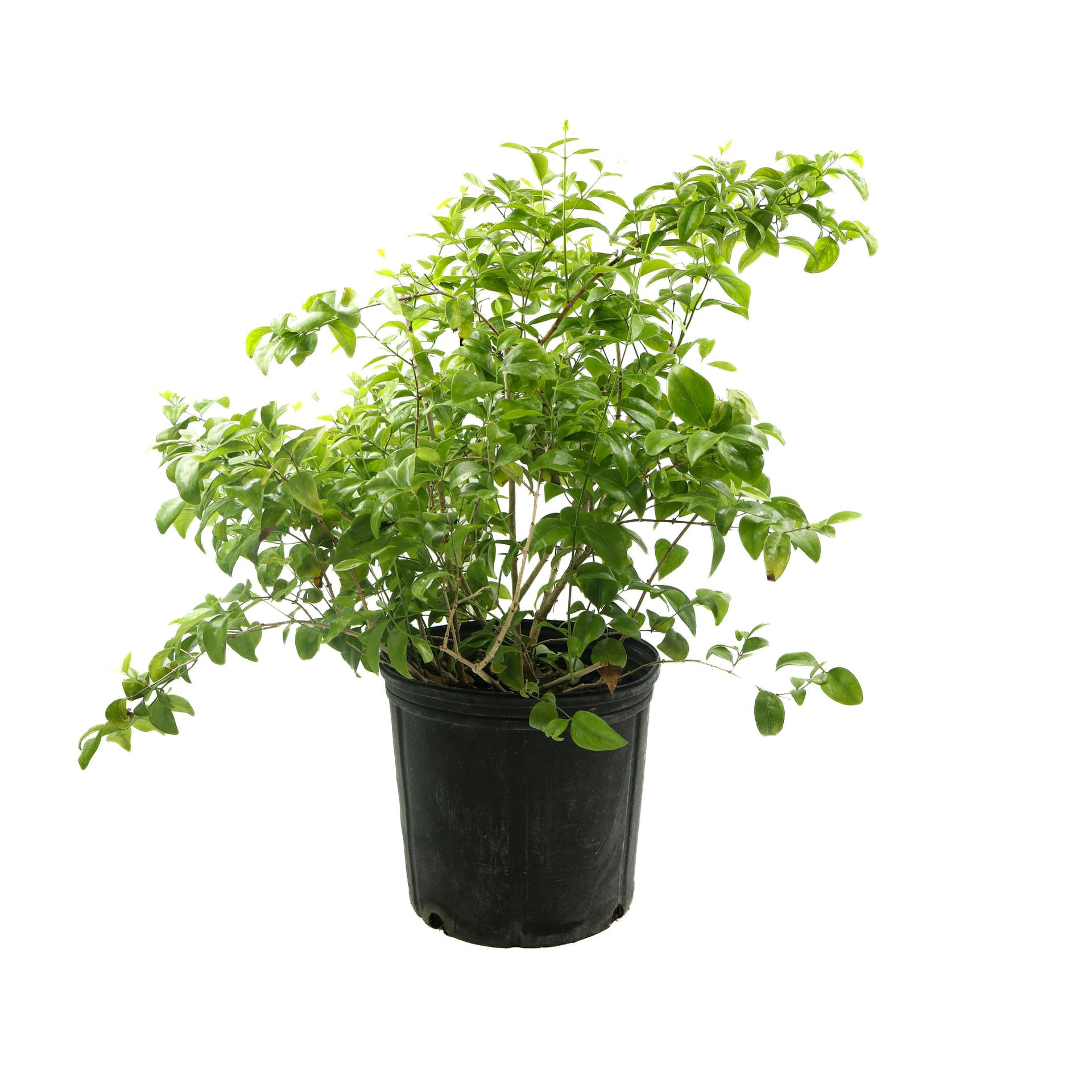
Jasmine Minima is a spreading evergreen groundcover that helps reduce weeds and cover bare soil. Ideal for lawn alternatives and landscape beds in Southwest Florida.
| Mature Height: | 1-2 ft. |
|---|---|
| Mature Width: | Spreads 4-6 ft. |
| Sunlight: | Full Sun to Part Shade (4-8+ Hours) |
| Water Needs: | Moderate |
| Growth Rate: | Moderate |
| Botanical Name: | Trachelospermum asiaticum 'Minima' |
| Grows Well In Zones: | USDA Zones: 8-11 |
Jasmine Minima – Evergreen Groundcover for Lawn Alternatives and Landscape Beds
Forms a dense carpet of glossy green foliage with minimal mowing. Suitable for shaded areas beneath trees, garden borders, and low-traffic spaces.
Jasmine Minima is a low-growing evergreen groundcover known for its small, glossy green leaves and dense, spreading growth. It forms a continuous layer of foliage that helps cover exposed soil andreduce weed growth. In Southwest Florida, it is commonly used as a lawn alternative in low-traffic areas, beneath trees, along landscape borders, and throughout large planting beds. Botanically known as Trachelospermum asiaticum 'Minima', it is a dwarf selection of Asiatic Jasmine. It typically grows 6–12 inches tall and spreads several feet wide as its trailing stems take root and extend across the soil. Its dense foliage gradually forms a continuous evergreen groundcover.
This plant grows in full sun to partial shade and tolerates areas with filtered sunlight beneath trees. It adapts to Southwest Florida's sandy soils but performs best where drainage is good. Although it tolerates sunny locations, partial shade can help reduce moisture stress during particularly hot, dry weather.
Jasmine Minima is primarily grown for its evergreen foliage rather than flowers. Its small, glossy leaves create a thick layer of green coverage that helps suppress weeds once the planting area fills in. Although Asiatic Jasmine can produce small, fragrant flowers, flowering is uncommon in closely maintained groundcover plantings.
For groundcover plantings, space Jasmine Minima approximately 12–18 inches apart for faster coverage or 18–24 inches apart when allowing more time for plants to spread. It works well in large landscape beds, around established trees, and on gentle slopes. Avoid areas with frequent foot traffic because the trailing stems can be damaged by repeated walking.
Newly planted Jasmine Minima needs regular watering until its roots establish and stems begin spreading. Once established, it tolerates periods of dry weather and usually requires less supplementalirrigation. Occasional deep watering during extended drought helps maintain healthy foliage. Avoid prolonged standing water around the roots.
Jasmine Minima spreads steadily and requires occasional trimming to remain within designated planting areas. Established beds can be cut back in late winter or early spring to control height andremove excess growth. Regular edging prevents stems from extending into lawns, walkways, and neighboring beds. Fertilizer is rarely necessary unless growth is weak or soil testing indicates anutrient deficiency. Established plants tolerate occasional cold temperatures, although severe freezes may damage exposed foliage.
Why You'll Love It
Dense Groundcover That Reduces Weeds: Spreading stems form a thick layer of green foliage that helps limit weed growth once the planting area is established.
Alternative to Traditional Grass: Provides continuous evergreen coverage in low-traffic areas where lawn grass may struggle, including partially shaded spaces beneath trees.
Low Water Needs Once Established: Tolerates dry periods after establishment and generally requires less supplemental irrigation than traditional turfgrass.
Minimal Mowing and Maintenance: Does not require weekly lawn mowing, although occasional trimming and edging help control spreading growth.
Sun Requirements: Grows in full sun to partial shade, with filtered sunlight suitable for planting beneath trees and taller shrubs.
Water Needs: Requires regular watering during establishment. Mature plantings tolerate dry periods but benefit from deep watering during extended drought.
Mature Size: Approximately 6–12 inches tall, with trailing stems spreading several feet to create continuous ground coverage.
Best Uses: Shaded landscape beds, low-traffic lawn replacement areas, planting beds around trees and shrubs, large mass plantings, landscape borders, and gentle slopes.
No reviews yet. Be the first to write one.